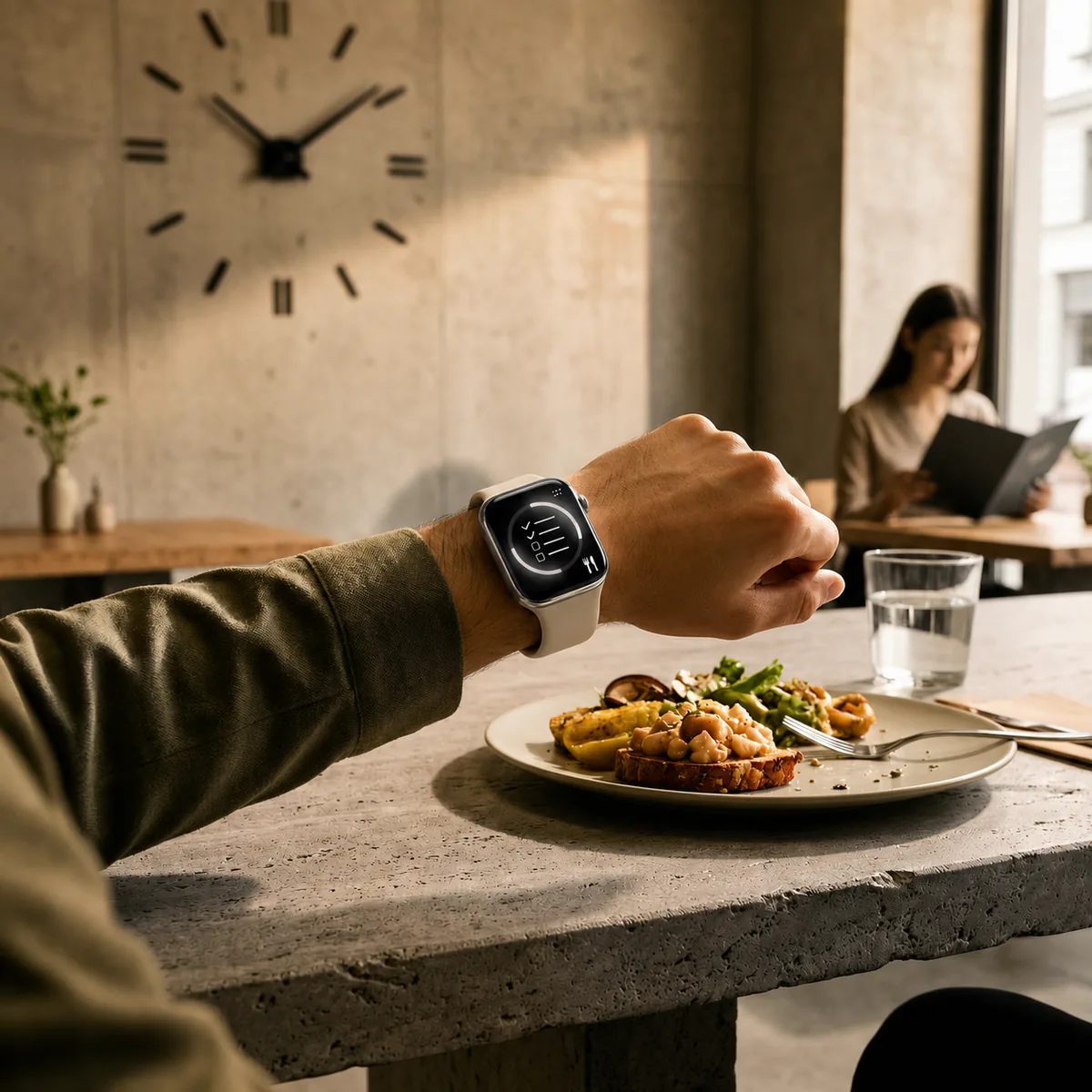
Integration should change decisions, not just add charts
A wearable integration is only “useful” if it helps answer: “What should I do next?”
In nubi, that starts with support for all major wearables so sleep and activity context can shape nutrition guidance.
Good integrations translate context into guidance:
- sleep consistency → adjust meal timing and key nutrients for sleep onset,
- activity load → secure fuel availability and adjust meal composition for heavy load days,
- stress levels → change meal composition to adjust to stress induces metabolic changes,
- schedule pressure → defaults, swaps, and low-friction routines.
Three levels of integration (and what each should do)
- Platform sync: connects the major wearable or health platform you already use and pulls basics like activity, stress and sleep trends.
- Deeper integrations (coming soon): adds richer context and deeper insights.
- Labs/biomarkers (coming soon): deeper insights of your health and wellbeing to guide your nutrition management.
The useful part is not the sync itself. It is how that context changes plan adjustments in chat, meal timing in My Plan, and suggestions in Meal Plan.
Trust checks that matter
Before you rely on a wearable nutrition app, look for:
- clear language on what the app can and can’t infer,
- privacy and deletion controls,
- and explainable recommendations (not black-box rules).
How to use wearable context well
- Keep it simple: use wearables as context, not a performance grade.
- Build consistency: focus on weekly trends and one adjustment at a time.
- Go deeper: ask for assumptions, data-quality notes, and what would change the recommendation.
For a “decisions, not dashboards” approach, start at Integrations and How it works.